Journée mondiale de l’eau : et si on s’inspirait des solutions existantes face à la faillite de l’eau ?
Journée mondiale de l’eau : face à la faillite de l’eau, s’inspirer des solutions existantes.
En janvier 2026, un rapport publié par l’ONU a lancé une alerte forte : le monde entre dans une « ère de faillite hydrique ». Dans de nombreux territoires, les prélèvements et la pollution dépassent désormais la capacité de renouvellement des ressources en eau. Cette situation illustre l’ampleur de la faillite de l’eau à l’échelle mondiale. Face à ce constat, la gestion de l’eau ne peut plus se limiter à répondre aux crises : elle doit devenir durable, résiliente et régénérative.
En cette Journée mondiale de l’eau, nous avons envie de partager une note d’optimisme. Partout dans le monde, certains territoires ont déjà profondément transformé leur gestion de l’eau. Protection des ressources, solutions fondées sur la nature, réutilisation de l’eau…
Voici trois exemples qui nous inspirent particulièrement pour répondre concrètement à la faillite de l’eau :
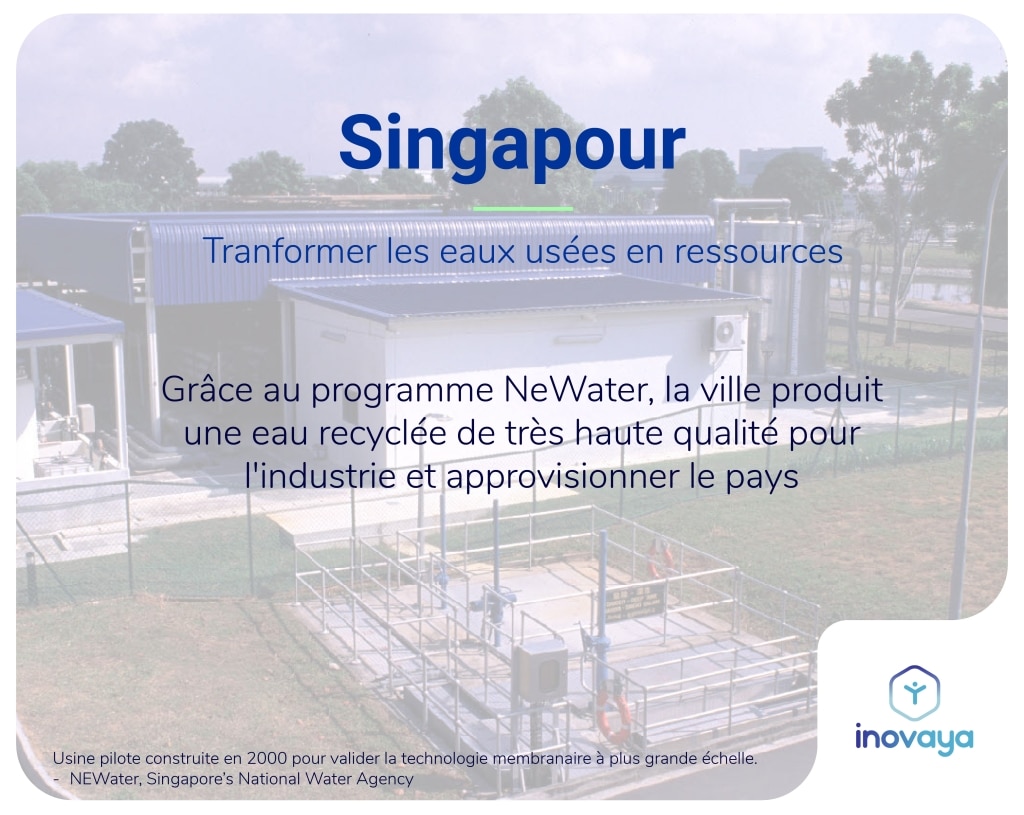
Singapour : faire de l’eau recyclée une ressource stratégique pour faire face à la faillite de l’eau
Privé de ressources naturelles suffisantes, Singapour a développé depuis les années 2000 le programme NEWater (agence nationale de l’eau de Singapour), qui transforme les eaux usées en eau de très haute qualité grâce à des procédés avancés de filtration et de membranes.
Cette eau recyclée est aujourd’hui utilisée notamment par l’industrie et contribue de manière croissante à l’approvisionnement du pays. Dans un contexte mondial marqué par la faillite de l’eau, cette stratégie illustre comment la réutilisation de l’eau peut devenir une ressource stratégique. À terme, elle pourrait couvrir jusqu’à 55 % des besoins en eau du territoire.
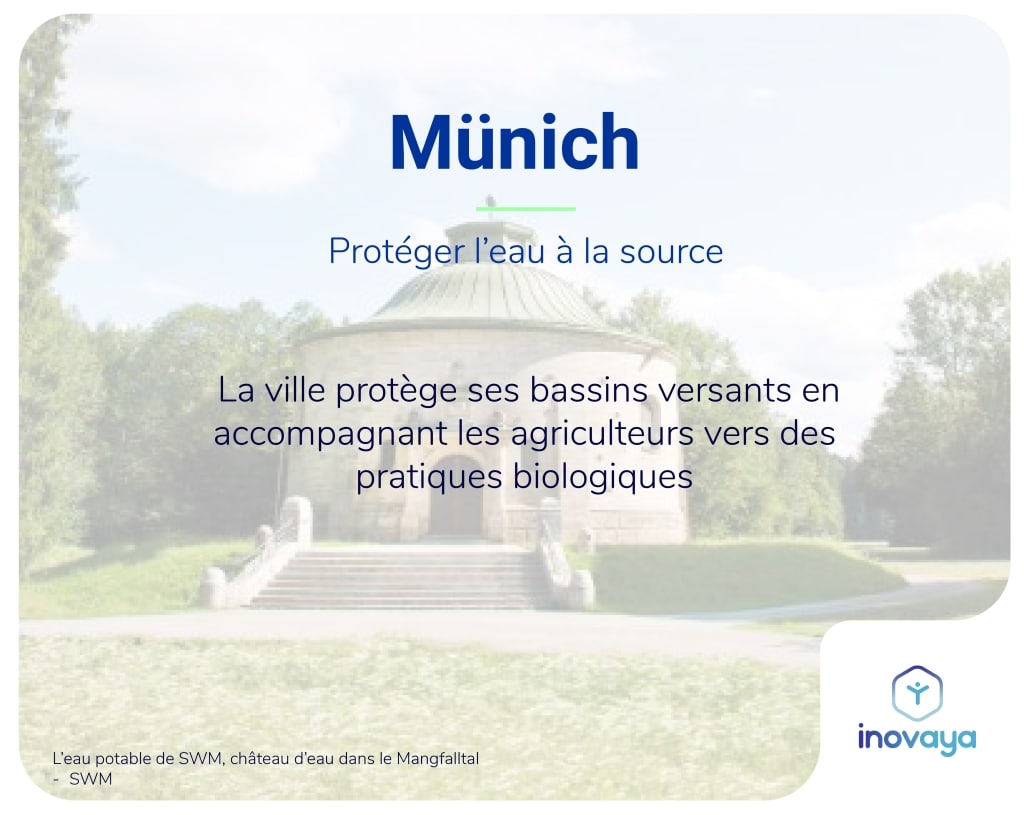
Münich : protéger la ressource en eau pour anticiper la faillite de l’eau
La ville de Münich est souvent citée comme un modèle de gestion durable de l’eau potable. Plutôt que d’investir dans des traitements complexes, la municipalité a fait le choix stratégique de protéger la ressource en eau à la source en préservant les zones de captage situées dans les Alpes bavaroises.
Depuis les années 1990, la ville accompagne les agriculteurs vers des pratiques biologiques et respectueuses de l’eau sur les bassins versants. Cette approche permet de limiter les pollutions et de préserver la qualité de la ressource en eau. Résultat : l’eau distribuée à plus d’un million d’habitants reste naturellement d’excellente qualité, nécessitant très peu de traitement. Face à la faillite de l’eau, cela montre que la protection des écosystèmes et des bassins versants peut-être une solution efficace pour sécuriser durablement l’approvisionnement en eau potable.
Découvrir la stratégie de protection de l’eau potable de Münich (opérateur municipal SWM).
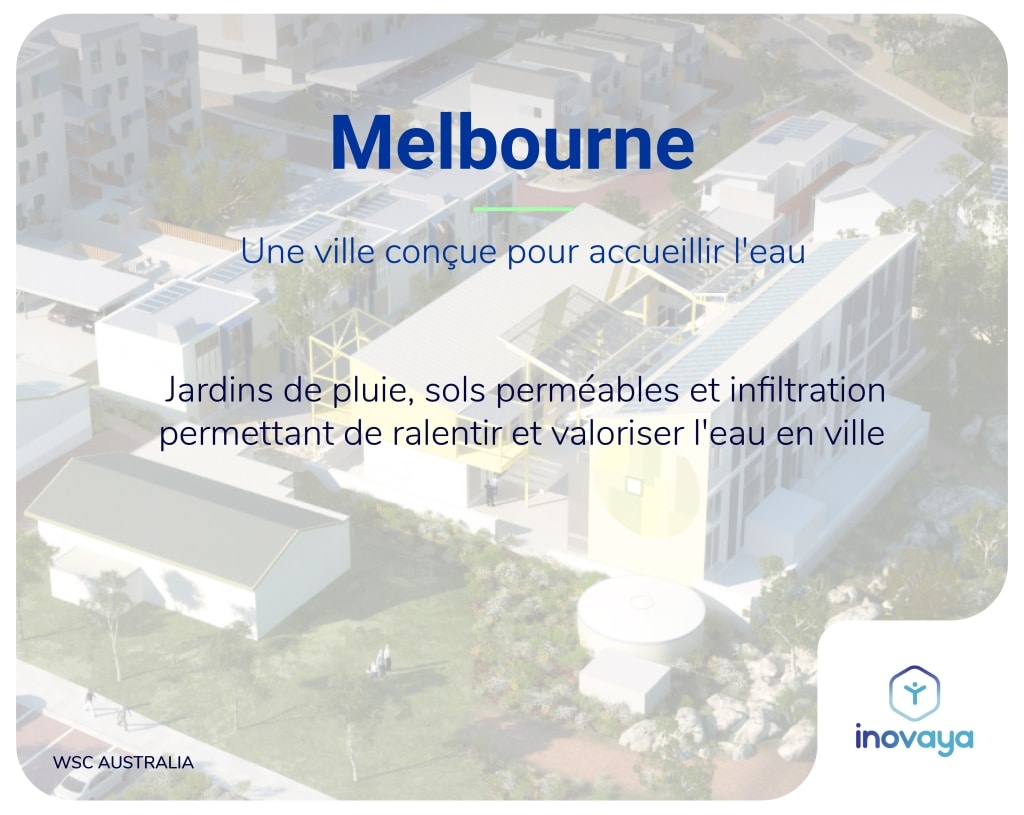
Melbourne : face à la faillite de l’eau, un programme pour transformer la gestion de l’eau de la ville
Après une sécheresse historique dans les années 2000, la ville de Melbourne a transformé sa gestion de l’eau avec le programme Water Sensitive City. L’objectif : adapter la ville pour mieux gérer la ressource et renforcer sa résilience face à la faillite de l’eau.
Pour cela, la ville développe des solutions inspirées du fonctionnement naturel des bassins versants : sols perméables, zones d’infiltration, jardins de pluie et végétalisation urbaine.
Ces infrastructures permettent de ralentir, filtrer et infiltrer l’eau dans les sols, contribuant à recharger les nappes, réduire les inondations et rafraîchir la ville. Cette approche montre comment l’aménagement urbain peut jouer un rôle clé dans la gestion durable de l’eau et l’adaptation des territoires face au défis de la faillite de l’eau.
Des initiatives innovantes fleurissent aussi sur notre territoire français, avec par exemple Qui Veut Rafraîchir Sa Ville ou encore la Régie Publique de l’Eau de la Métropole de Lyon.
Préserver l’eau : un équilibre entre nature et technologie dans un contexte de faillite de l’eau.
Ces initiatives reposent sur des approches différentes, mais elles partagent un objectif commun : préserver durablement la ressource en eau. Protéger les bassins versants, laisser l’eau s’infiltrer dans les sols, valoriser l’eau déjà utilisée… la gestion durable de l’eau repose sur un équilibre entre processus naturels et solutions technologiques adaptées.
Chez InovaYa, face à cette faillite de l’eau, nous partageons cette vision d’une gestion responsable de l’eau. Notre expertise vise à accompagner les territoires et les industriels pour :
- préserver la ressource en eau en limitant les pressions sur les milieux naturels
- traiter les pollutions, notamment les micropolluants, pour sécuriser l’eau potable
- réutiliser l’eau lorsque c’est pertinent, afin de réduire les prélèvements dans les milieux naturels
- laisser le cycle naturel de l’eau fonctionner dès que possible
À l’occasion de la Journée Mondiale de l’Eau, ces territoires nous rappellent une chose essentielle : face aux défis de faillite de l’eau à venir, des solutions existent déjà, et elles sont déjà en marche.