Sécheresse : agir pour préserver la ressource en eau
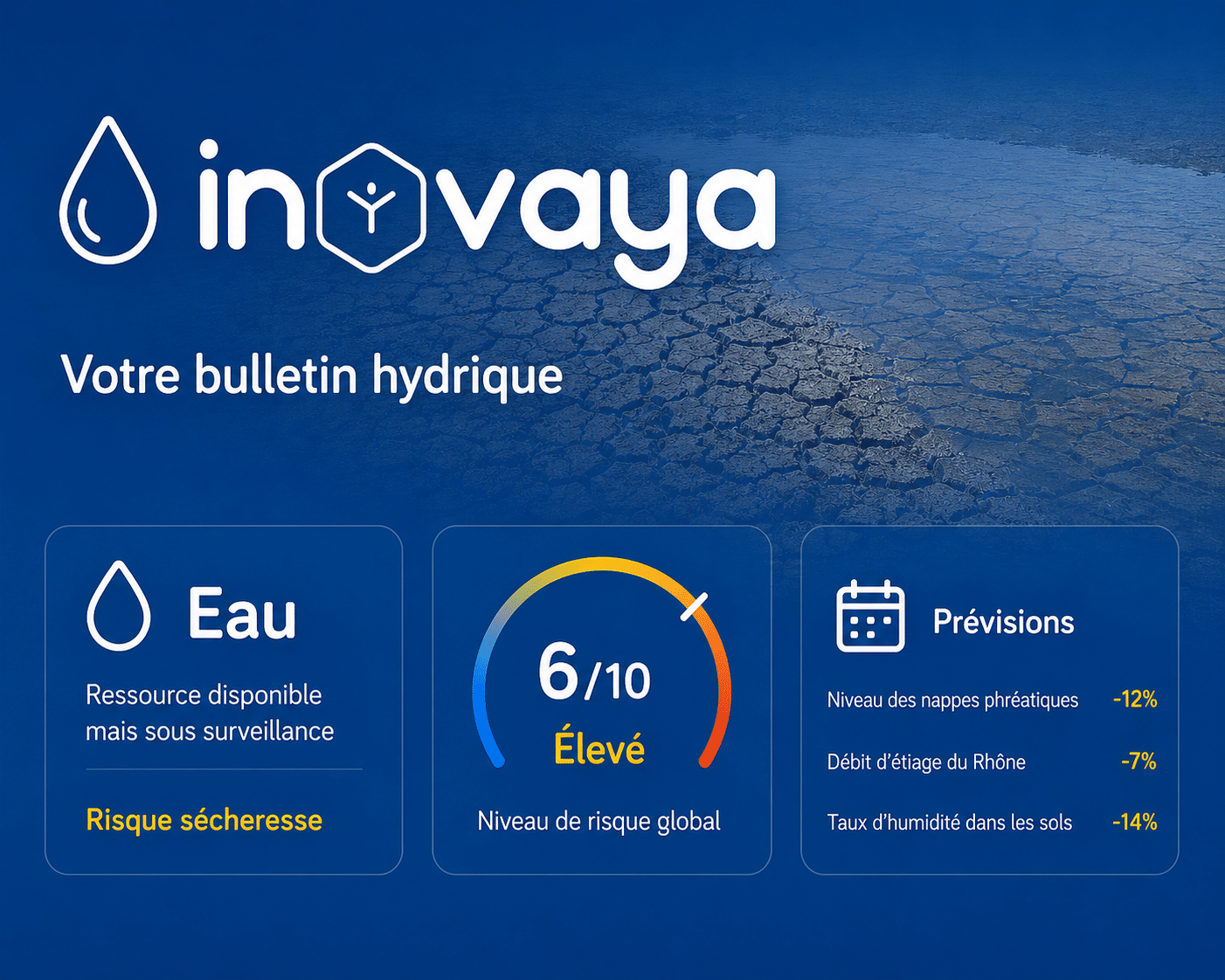
Face aux défis de la sécheresse, agir pour préserver la ressource en eau
À l’occasion de la Journée mondiale du 17 juin de la lutte contre la désertification et la sécheresse, il est essentiel de rappeler que la gestion de l’eau est devenue un enjeu stratégique pour les territoires, les collectivités et les industriels. Face à des épisodes de sécheresse de plus en plus fréquents et intenses, préserver la ressource en eau n’est plus seulement une question environnementale. C’est également une condition indispensable à la continuité des activités économique.
L’eau, une ressource sous pression croissante
L’accélération de la production et les effets du changement climatique modifient durablement le cycle de l’eau. Les périodes de sécheresse s’intensifient et s’allongent. Les précipitations deviennent plus irrégulières et les tensions sur les ressources disponibles s’accentuent.
Pour préserver la ressource en eau, les pouvoirs publics mettent en place des arrêtés sécheresse qui encadrent ou limitent certains usages lorsque les niveaux des nappes phréatiques, des cours d’eau ou des retenues atteignent des seuils critiques.
Ces mesures sont indispensables pour protéger les milieux naturels, garantir l’alimentation en eau potable des populations et maintenir les équilibres écologiques. Toutefois, elles peuvent également entraîner des conséquences importantes sur les activités industrielles, agricoles ou de services qui dépendent fortement de l’eau.
Les arrêtés sécheresse : un enjeu de continuité d’activité
Lorsqu’un territoire passe en vigilance, alerte, alerte renforcée ou crise, certaines entreprises peuvent être contraintes de réduire leurs prélèvements, de modifier leurs procédés ou de suspendre certaines opérations.
Pour les sites industriels notamment, ces restrictions représentent un risque opérationnel majeur :
- diminution ou arrêt de la production ;
- augmentation des coûts d’exploitation ;
- difficultés à respecter les engagements clients ;
- perturbation des chaînes d’approvisionnement ;
- impact sur la performance environnementale et économique.
Depuis 2023, les règles ont changé. Les installations classées pour la protection de l’environnement (ICPE) soumises à autorisation ou enregistrement et prélevant plus de 10 000 m³/an, peuvent être contraintes de réduire leurs prélèvements d’eau en quelques jours à peine :
- Alerte : – 5 %
- Alerte renforcée : – 10 %
- Crise : – 25 %
Et dans certains arrêtés préfectoraux locaux, les restrictions peuvent grimper jusqu’à −50 %.
Anticiper ces situations devient donc un levier essentiel de résilience. Les entreprises qui intègrent la gestion de l’eau dans leur stratégie de continuité d’activité sont mieux préparées aux épisodes de sécheresse et réduisent leur vulnérabilité face aux contraintes réglementaires.
Réduire les consommations pour préserver la ressource en eau
La première étape consiste à mieux connaître les usages de l’eau au sein des installations. L’analyse des consommations permet d’identifier les postes les plus consommateurs, les pertes éventuelles et les opportunités d’optimisation. Dans de nombreux cas, des actions simples permettent déjà de réduire significativement les volumes prélevés :
- optimisation des procédés industriels ;
- détection et réparation des fuites ;
- recyclage interne des eaux ;
- amélioration des équipements ;
- pilotage des consommations en temps réel.
Chaque mètre cube économisé contribue à préserver la ressource en eau tout en renforçant la sécurité d’approvisionnement du site.
La réutilisation des eaux usées : une solution d’avenir
Face à la raréfaction de la ressource, la réutilisation des eaux usées traitées (REUT) est une réponse pertinente pour préserver la ressource en eau. Après un traitement adapté, ces eaux sont utilisées pour certains usages industriels, le nettoyage, l’arrosage ou encore l’alimentation en eau de chantier. Cette approche limite les prélèvements dans le milieu naturel tout en sécurisant l’accès à une ressource alternative.
Les bénéfices sont multiples :
- réduction de la pression sur les ressources naturelles ;
- amélioration de la résilience face aux sécheresses ;
- diminution des volumes rejetés dans l’environnement ;
- sécurisation de l’activité en période de restriction ;
- contribution aux objectifs de transition écologique.
La REUT s’inscrit pleinement dans une logique d’économie circulaire où l’eau est considérée comme une ressource précieuse à valoriser plutôt qu’à consommer une seule fois.
Préserver la ressource en eau pour garantir l’avenir
Préserver la ressource ne consiste pas uniquement à sécuriser les usages humains. C’est également protéger les rivières, les zones humides, les nappes souterraines et l’ensemble de la biodiversité qui dépend de ces milieux. Lorsque les prélèvements diminuent et que les ressources sont mieux gérées, les écosystèmes deviennent plus résilients face aux épisodes de sécheresse. Cette préservation des milieux naturels contribue à maintenir les services environnementaux essentiels dont dépendent nos territoires et nos activités.
L’irYs®, une solution pensée pour réutiliser les eaux usées traitées face aux défis de la sécheresse
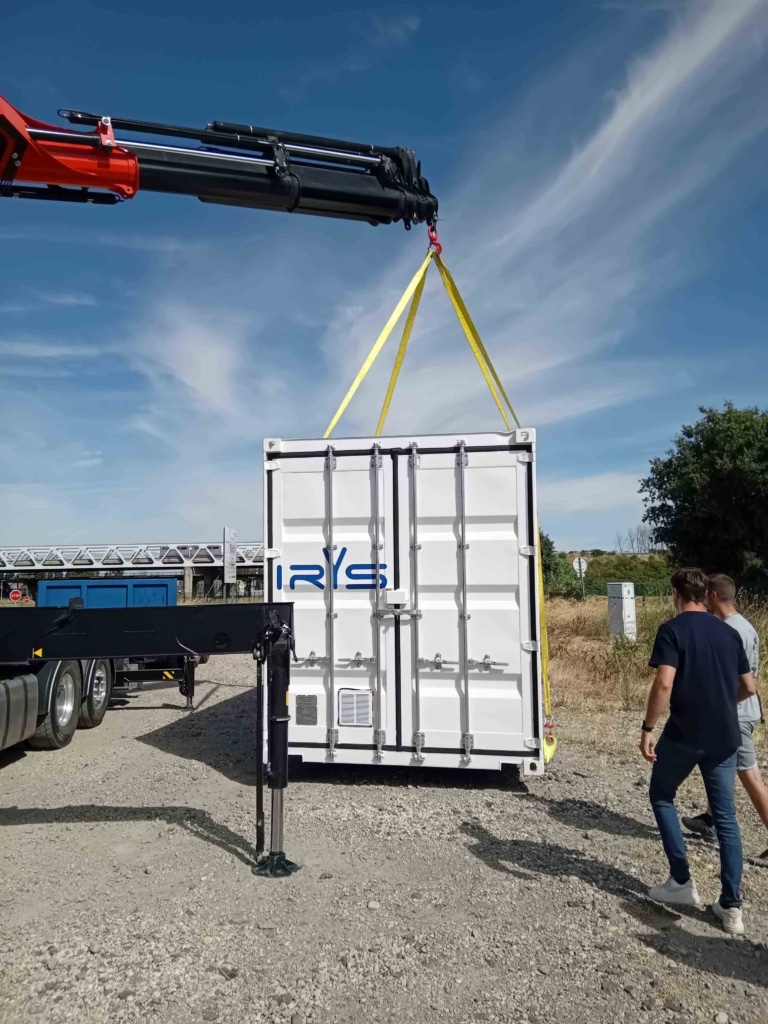
Proposée sous la forme d’une unité conteneurisée, l’irYs® valorise les eaux usées traitées et leur donne une seconde vie. En favorisant la réutilisation de l’eau, l’irYs® réduit la pression sur les ressources naturelles et diminue en volume les rejets d’eau polluée, tout en limitant la consommation de réactifs et d’électricité. Dans un contexte de sécheresse, l’irYs® favorise une disponibilité continue d’eau pour les principaux consommateurs (agriculteurs, collectivités, industriels). Cela permet la continuité des activités économiques.
À l’occasion de la Journée mondiale de la lutte contre la désertification et la sécheresse, rappelons que chaque action compte. Préserver la ressource en eau, c’est protéger l’environnement, renforcer la résilience des activités et préparer durablement les territoires aux défis climatiques de demain.
Votre activité est-elle prête pour faire face à l’accentuation des sécheresses ?
Quelles affirmations s’appliquent à votre site ?
☐ Je connais précisément mes consommations d’eau.
☐ J’ai identifié les usages de l’eau essentiels à mon activité.
☐ Je sais quelles seraient les conséquences d’un arrêté sécheresse sur mon site.
☐ J’ai mis en place un plan de continuité d’activité en cas de restriction d’eau.
☐ Je surveille régulièrement les arrêtés sécheresse de mon territoire.
☐ J’ai déjà engagé des actions pour réduire mes consommations d’eau.
☐ Les fuites et pertes d’eau sont suivies et maîtrisées.
☐ J’étudie ou j’utilise des solutions de réutilisation des eaux usées traitées (REUT).
☐ J’ai identifié des alternatives pour sécuriser mon approvisionnement en eau.
☐ La préservation de la ressource en eau fait partie de ma stratégie environnementale.
Résultats
- 8 à 10 cases cochées : Vous êtes bien préparé face aux risques liés à la sécheresse.
- 5 à 7 cases cochées : Votre démarche est engagée, mais certains leviers méritent d’être renforcés.
- Moins de 5 cases cochées : Il est temps d’agir pour préserver la ressource en eau et sécuriser la continuité de votre activité.
Echangeons
InovaYa vous aide à faire face à vos enjeux eau face aux périodes de crise hydrique et aux autorités.